List
Drew's list
308 books Discoverable by Andrew Orme
-
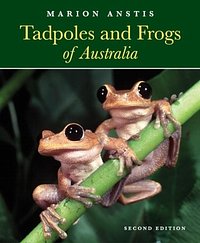
Tadpoles and Frogs of Australia
Marion Anstis · 2017
The identification of the eggs and tadpoles of Australian frogs has been a study waiting to happen for a very long time. Marion Anstis began the process of addressing this with her first book Tadpoles of South eastern Australia: a guide with keys. Now, with Tadpoles and Frogs of Australia, for the first time we have the complete life histories of virtually the entire frog fauna of the Australian continent, which will become a lasting contribution to frog conservation.
-
Container Atlas
Han Slawik · 2010
"Presents a wide range of container architecture projects along with an in-depth investigation into the background and evolution of this topical field... and reveals a profound variety of functional and aesthetic building possibilities." -- from back cover.
-
Passive Houses
Chris van Uffelen · 2012
The trend towards environmental awareness is decisively influencing the way we live our lives. As Passive Houses have been conceptualized and became part of our collective consciousness, architecture stands at the forefront of an emerging modern eco-friendly lifestyle. Taken back to basics, passive house architecture satisfies the desire to reduce the use of external primary energy. Depending on the climatic conditions, the utilization of different technologies, methods, and interventions is required, presenting a variety of challenges to the architects. This monograph portrays about 60 single family homes from across the world that showcase the great variety of exciting and at the same time sustainable architectural solutions.
-
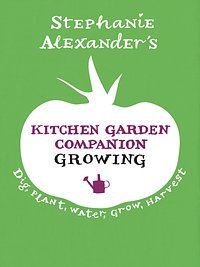
Kitchen Garden Companion: Growing
Stephanie Alexander · 2016
If you have ever dreamed of picking fresh salad leaves for the evening meal, gathering vine-ripened tomatoes or pulling up your own sweet carrots, this is the book for you. Follow in the footsteps of one of Australia's best-loved cooks and food writers as she shares her experiences and the secrets of rewarding kitchen gardening. Be encouraged by detailed gardening notes that explain how you can plant, grow and harvest 73 different vegetables, herbs and fruit. Whether you have a large plot in a suburban backyard or a few pots on a balcony, you will find everything you need to get your kitchen garden started in this fully updated paperback edition (Vol. 1) of Stephanie Alexander's Kitchen Garden Companion.
-
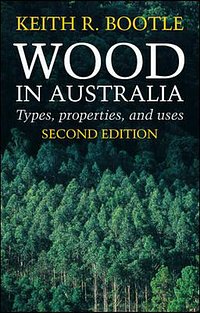
Wood in Australia
Keith R. Bootle · 2010
A complete textbook and reference book that summarises the main aspects of wood utilisation for the student and the timber producer. The book concentrates on native species, although common non indigenous woods are also covered.
-
Harvest Your Own LumberHow to Fell, Saw, Dry and Mill Wood
John English · 2015
In today s artisan, hands-on, and environmentally conscience landscape, there are many reasons to mill your own lumber: a craftsman, artist, or builder can gain access to a new species and unique cuts of wood; there s the Yankee in all of us that hates to see a healthy log simply go off to the landfill when it can offer new flooring or a piece of furniture; and, finally, there s symmetry in building something for a grandchild from the branch that held his daddy s tire-swing. And, let s not forget that wood is expensive; on top of all the other great reasons, harvesting your own timber will save you a few bucks A concise guide for the small shop or enthusiastic hobbyist, Harvest Your Own Lumber covers all of the important steps in the conversion of wood. John English takes the reader through selecting the raw material to the final drying of the harvested timber. All of the steps in between are explained in clear text accompanied with photographs and charts that make the process of milling your own lumber a guaranteed success. The process of milling your own lumber is much more than just felling the tree and sawing it into useable boards. The first consideration is, of course, what type of tree will lend itself to producing good, useable timber. Once that decision has been made the sawyer must determine how to safely fell the tree and then how to convert the log into useable lumber. The author explains and illustrates the various choices available from what types of grain pattern to expect to the many defects to be aware of. Also included is an extensive chapter on chainsaws, safety, and felling. One of the most important aspects of timber harvesting is knowing how to saw to grade . That is, how to get the best yield with the desired grain, from a specific log. Harvest Your Own Lumber provides the detail and instructions for sawing to grade as well as useful information on humidity and wood, kiln and air drying, various types of kilns and milling rough boards to get them flat and straight. This is a valuable handbook for any woodworker, builder, carpenter, or craftsman that relies on good quality wood."
-
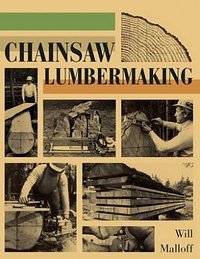
Chainsaw Lumbermaking
Will Malloff · 2015
Once you're familiar with Will Malloff's method of chainsaw lumbermaking, you'll be simply and economically turning trees into lumber on your own Learn how to select the tree you want, fell it safely, and saw it into a fine pile of building or cabinet lumber. With detailed instructions and over 400 photographs, Will Malloff tells you everything you need to know to turn a chainsaw into a lumbermill, including how to: Modify the chainsaw and make numerous accessories for milling Use the equipment in the woods Grind a smooth-cutting ripping chain Build your own mill from a 2 x 4 and scraps of plywood Cut burls, shape ovals and mill natural knees for boatbuilding Malloff's method is the fruit of over 30 years' experience of felling trees and making lumber. He's logged everything from giant redwoods to desert mesquite and fulfilled his youthful ambition to fell timber in every major forest of North America. Drawing on this experience, he has invented several chainsaw mills, and perfected the easy, efficient method of chainsaw lumbermaking that he describes in this book. If you've ever had trouble finding the lumber you need, or wanted to build something with your own trees, "Chainsaw Lumbermaking" is the book you've been waiting for. Will Malloff has built a variety of mills and is the designer of what many consider the most effective chainsaw lumbermaking system available. Malloff has spent nearly half a century researching and developing tools and wood technology that minimize ecological impact. In an endeavor to build his own blacksmith shop on a Canadian Pacific island, he invented a state-of-the-art ripping chain, which made chainsaw lumbermaking more feasible and economical than ever before.
-
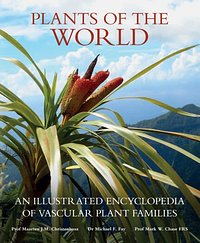
Plants of the World: An Illustrated Encyclopedia of Vascular Plant Families
Maarten J. M. Christenhusz · 2017
Plants of the World will be the first comprehensive book to cover every vascular plant family in the world, over 450. Organized in phylogenetic order, each family is illustrated, and described in terms of characteristics, relationships, etymology, economic uses, and distribution. The text is a collaboration of three Kew botanists, two of whom author our recently delivered Book of Orchids copub. While Plants of the World will be amply illustrated like a Book of, it will be an essential resource for practicing botanists and also a work that is likely to be used in botany graduate courses too, as a foundational reference.
-
Genera Orchidacearum: Volume 6
Alec M. Pridgeon · 2014
For centuries orchids have been among the most popular of plant families, with thousands of species and hybrids cultivated worldwide for the diversity, beauty, and intricacy of their flowers. The Genera Orchidacearum series represents a robust and natural classification of the orchids, something that has eluded plant scientists and orchid enthusiasts for years. The editors, who are all distinguished orchid specialists, incorporate a wealth of new DNA data into a truly phylogenetic classification, identifying the areas and taxa that merit additional work. To this end, they have invited several international specialists to contribute in their particular areas of expertise. Each volume provides comprehensive coverage of one or two orchid subfamilies, and the series as a whole will be an indispensable reference tool for scientists, orchid breeders, and growers. Orchidaceae is the largest monocotyledon family and perhaps the largest plant family in terms of number of species, approximately 25,000. Although the fossil record is limited, active molecular research in recent years has unravelled many of the complexities and phylogenetics of this cosmopolitan plant family. This sixth and final volume treats 140 genera in tribes Dendrobieae and Vandeae of the largest subfamily, Epidendroideae, including some of the showiest orchids often used in hybridizing. Comprehensive treatments are provided for each genus, which include complete nomenclature, description, distribution (with map), anatomy, palynology, cytogenetics, phytochemistry, phylogenetics, pollination, ecology, and economic uses. Cultivation notes are included for those genera known to be in hobbyist collections. Genera are beautifully illustrated with line drawings and colour photographs. An Addendum updates a few generic accounts published in past volumes. A cumulative glossary, list of generic synonyms with their equivalents, and list of all series contributors round out this final volume in the series.
-
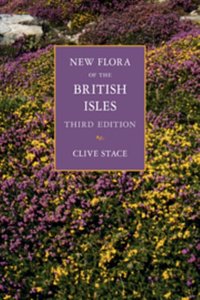
New Flora of the British Isles Plastic Cover
Clive Stace · 2010
Since its first publication in 1991, New Flora of the British Isles has become established as the standard work on the identification of the wild vascular plants of the British Isles. The Flora remains unique in many features, including its full coverage of all British wild plants, its user-friendly organisation, and its specially compiled keys and descriptions. This new edition includes the addition of more than 160 species, so that 4,800 taxa are now covered in varying degrees of detail. It also incorporates the new molecular system of classification based on DNA sequences. Furthermore, with 1600 species illustrations, rewritten distributions and an overhaul of the designation of degrees of rarity, with the introduction of a third, less rare, category. These revisions should ensure that this Third Edition remains the essential reference source for all taxonomists, ecologists, conservationists, plant hunters and biogeographers, whether they be researchers, teachers, students or amateurs.
-
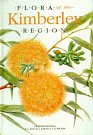
Flora of the Kimberley Region
K. Kenneally · 1992
Provides descriptions of the 2085 known native and introduced vascular plant species in the Kimberley region of Western Australia. Entries include notes on habitat, distribution and flowering seasons. Includes references, indexes of both scientific and common names, and 356 line drawings to aid identification.
-
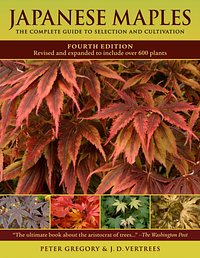
Japanese Maples
J. D. Vertrees, Peter Gregory · 2010
Among the first titles published in 1978, with more than 150,000 copies in print in three editions, "Japanese Maples" is a Timber Press classic. Japanese maples are unlike any other tree. They boast a remarkable diversity of color, form, and texture. As a result of hundreds of years of careful breeding, they take the center stage in any garden they are found. In the last decade, the number of Japanese maple cultivars available to gardeners has doubled and there is a pressing need for an up-to-date reference. This new fourth edition offers detailed descriptions of over 150 new introductions, updates to plant nomenclature, and new insights into established favorites. Gardeners will relish the practical advice that puts successful cultivation within everyone's grasp. Accurate identification is made simple with over 600 easy-to-follow descriptions and 500 color photographs.
-
An Illustrated Guide to Maples
Smith · 2003
Maples are an asset to any garden for their year-round ornamental qualities -- but which to choose? With an unprecedented depth of photographic detail, Antoine le Hardÿ de Beaulieu has compiled the definitive guide to the beauty of maples. Supplementing the concise and practical descriptions are 1200 gorgeous photos showing different aspects of each plant. Landscape architects, garden designers, plant enthusiasts, and home gardeners will find this photobook a delightful and invaluable tool for making informed decisions about choosing the right tree or shrub. No other reference offers more photos on this beloved and versatile group.
-
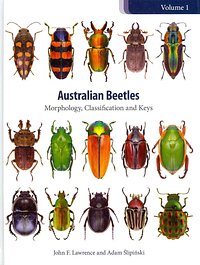
Australian Beetles Volume 1
John F. Lawrence · 2013
This three-volume series represents a comprehensive treatment of the beetles of Australia, a relatively under-studied fauna that includes many unusual and unique lineages found nowhere else on Earth. Volume 1 contains keys to all 117 beetle families found in Australia, and includes over 1100 illustrations of adults, larvae and anatomical structures. This volume is based in part on Lawrence & Britton's out-of-print Australian Beetles, but is fully updated and expanded. The biology and morphology for all major beetle lineages is described and illustrated, along with anatomical terms which clarify the characters and terminology used in the keys; few other resources for beetle identification include such a detailed morphological background. A chapter on the fossil record is also included, and family sections provide full descriptions of adults and larvae, including the world distribution of each family. The revised identification keys (currently recognised as one of the most valuable keys worldwide) will aid quarantine agents, biologists and students in identifying members of the most species-rich order of animals.
-
European Garden Flora 6 Volume Hardback Set: The European Garden Flora: A Manual for the Identification of Plants Cultivated in Europe, Both Out-of-Doors and under Glass: Volume 6
The European Garden Flora Editorial Committee · 2000
The European Garden Flora is the definitive manual for the accurate identification of cultivated ornamental plants and has been designed to meet the highest scientific standards. The vocabulary has nevertheless been kept as uncomplicated as possible so that the work is fully accessible to the informed nurseryman, gardener, and landscape architect, as well as the professional botanist. Volume VI concludes the Flora and contains accounts of 38 families of dicotyledons, including Compositae (with over 190 genera), the largest family of flowering plants. Many other genera of horticultural importance such as Calceolaria, Penstemon, Hebe, Solanum, Buddleia, and Sencio are also discussed. Comprehensive keys are provided at the level of family, genus and species and line diagrams are included to illustrate important diagnostic features of critical taxa. References are made to useful illustrations and taxonomic accounts, and a small amount of guidance on cultivation is also included for many genera.
-
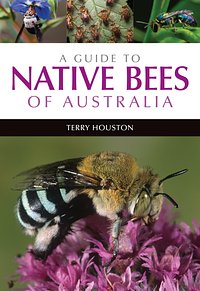
A Guide to Native Bees of Australia
Terry Houston · 2018
A Guide to Native Bees of Australia provides a detailed introduction to the estimated 2000 species of Australian bees. Illustrated with stunning photographs, it describes the form and function of bees, their life-cycle stages, nest architecture, sociality and relationships with plants. It also contains systematic accounts of the five families and 58 genera of Australian bees. Photomicrographs of morphological characters and identification keys allow identification of bees to genus level. Natural history enthusiasts, professional and amateur entomologists and beekeepers will find this an essential guide.
-
The Bees of the World
Charles D. Michener · 2007
Accented with color plates of select bees, The Bees of the World will continue to be the world's best reference on these diverse insects.
-
Recovering Australian Threatened Species: A Book of Hope
Stephen Garnett · 2018
Australia's nature is exceptional, wonderful and important. But much has been lost, and the ongoing existence of many species now hangs by a thread. Against a relentless tide of threats to our biodiversity, many Australians, and government and non-government agencies, have devoted themselves to the challenge of conserving and recovering plant and animal species that now need our help to survive. This dedication has been rewarded with some outstanding and inspiring successes: of extinctions averted, of populations increasing, of communities actively involved in recovery efforts. Recovering Australian Threatened Species showcases successful conservation stories and identifies approaches and implementation methods that have been most effective in recovering threatened species. These diverse accounts - dealing with threatened plants, invertebrates, fish, reptiles, birds and mammals - show that the conservation of threatened species is achievable: that it can be done and should be done. They collectively serve to inform, guide and inspire other conservation efforts. This is a book of hope and inspiration. It shows that with dedication, knowledge and support, we can retain and restore our marvellous natural heritage, and gift to our descendants a world that is as diverse, healthy and beautiful as that which we have inherited.
-
Secret Lives of Carnivorous Marsupials
Andrew Baker · 2018
Most living carnivorous marsupials lead a secretive and solitary existence. From tiny insect eaters to the formidable Tasmanian Devil, Secret Lives of Carnivorous Marsupials offers rare insight into the history and habits of these creatures – from their discovery by intrepid explorers and scientists to their unique life cycles and incredible ways of hunting prey. Secret Lives of Carnivorous Marsupials contains a guide to the world’s 136 living species of carnivorous marsupials and is packed with never-before-seen photos. Biogeography, relationships and conservation are also covered in detail. Readers are taken on a journey through remote Australia, the Americas and dark, mysterious New Guinea – some of the last truly wild places on Earth. The book describes frenzied mating sessions, minuscule mammals that catch prey far larger than themselves, and extinct predators including marsupial lions, wolves and even sabre-toothed kangaroos.
-
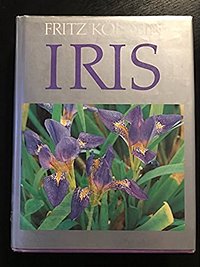
The Iris
Fritz Kohlein · 1988
-
Iris (Gardener's Handbook, Vol 2)
Fritz Kohlein · 1987
This complete treatment of genus Iris and the related genera Iridodictym, Hermodactylus, Gynandrisis, and Juno provides in-depth coverage of over 200 species, plus information on subspecies, varieties, natural hybrids, and cultivars. Fritz Khlein, one of the world's leading horticulturists, includes detailed habitat information, thorough cultivation instructions, suggestions for uses in the landscape, and recommendations on cultivars that will lead the gardener to the best and most successful use of these splendid genera. A comprehensive index guides the reader through the labyrinth of iris names.Published at $39.95 Our last copies available at $19.98
-
Fuchsias
Edwin Goulding · 1995
-
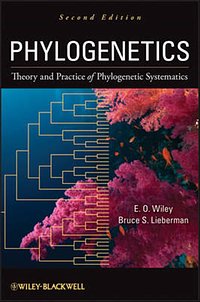
Phylogenetics
E. O. Wiley, Bruce S. Lieberman · 2011
It has been over twenty-five years since the first edition of "Phylogenetics." During that time there have been many theoretical and technical advances, and the field of phylogenetics has continued to grow. For instance, there are now new approaches to reconstructing the pattern of evolution designed to take character conflict and the uncertainty of phylogenetic estimates into account. This new edition captures the essence of the evolving discipline. If current trajectories imply anything, they suggest that the next 25 years of phylogenetic research will continue to prove exciting.
-
Pinaceae
Aljos Farjon · 1990
-
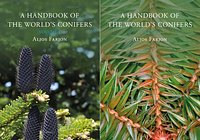
A Handbook of the World's Conifers
Aljos Farjon · 2016
The first handbook to include detailed information on all 615 conifers, temperate as well as tropical, this encyclopedic work offers users as diverse as ecologists, gardeners, foresters and conservationists the accumulated knowledge of these trees obtained in 30 years of academic research, presented in an easily searchable format.
-
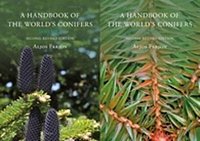
A Handbook of the World's Conifers
Aljos Farjon · 2010
The first handbook to include detailed information on all 615 conifers, temperate as well as tropical, this encyclopedic work offers users as diverse as ecologists, gardeners, foresters and conservationists the accumulated knowledge of these trees obtained in 30 years of academic research, presented in an easily searchable format.
-
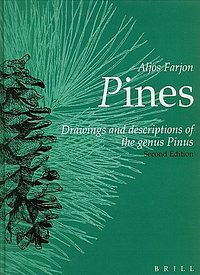
Pines, 2nd revised edition
Aljos Farjon · 2018
From Inquiry to Academic writing, great condition, bought it but never used it.
-
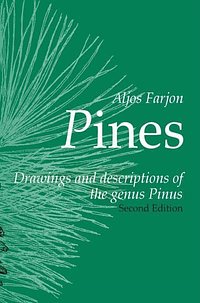
Pines
Aljos Farjon · 2005
-
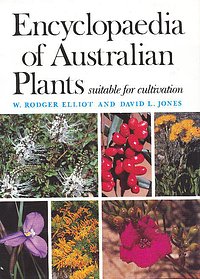
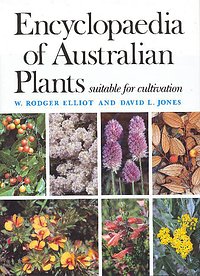
Encyclopaedia of Australian Plants Vol.7
Roger Elliot · 1997
The ENCYCLOPAEDIA OF AUSTRALIA PLANTS is a world first. It is the result of exhaustive research through scientific and semi-scientific publications and many investigative trips throughout Australia and overseas. The encyclopaedia caters for the professional horticulturist and amateur gardening enthusiast, and is written in an easy-to-understand style. Scientific term, where used, have been explained or included in the comprehensive glossary. The text is complimented by many delicately executed line drawings be Trevor Blake and a wonderful selection of colour photographs. This the seventh of a multi-volume set in which the authors have drawn on their extensive experience of years devoted to the culture of Australian plants. In this latest volume, the authors describe the genera beginning with the letters N to Po. this amounts to over 1300 species from over 240 genera. Some of the most popular and important genera include NEPHROLEPIS, NYMPHOIDES, OLEARIA, ORTHROSANTHUS, PANDNUS, PANDOREA, PATERSONIA, PERSOONIA, PETROPHILE, PHEBALIUM, PIMELEA, PITTOSPORUM, PLATYCERIUM, PODOCARPUS, POLYSTICHUM and POMADERRIS.
-
Encyclopaedia of Australian Plants Vol.8
Roger Elliot · 2002
The ENCYCLOPAEDIA OF AUSTRALIA PLANTS is a world first. It is the result of exhaustive research through scientific and semi-scientific publications and many investigative trips throughout Australia and overseas. The encyclopaedia caters for the professional horticulturist and amateur gardening enthusiast, and is written in an easy-to-understand style. Scientific termS, where used, have been explained or included in the comprehensive glossary. The text is complimented by many delicately executed line drawings be Trevor Blake and a wonderful selection of colour photographs. This the eighth of a multi-volume set in which the authors have drawn on their extensive experience of years devoted to the culture of Australian plants. In this latest volume, the authors describe the genera beginning with the letters Pr to So. Over 182 genera and 1220 species are described. the popular and important larger genera such as PROSTANTHERA, PTEROSTYLIS, PTILOTUS, PULTENAEA, RANUNCULUS, RHAGODIA, RHODANTHE, SCAEVOLA, SENNA and SOLANUM are included, as well as some interesting or unusual smaller genera such as PTERIS, PYCNOSORUS, REGELIA, RHODAMNIA, RHODODENDRON, RICHEA, RUBUS, SCHOENIA, SCHOENOLAENA, SIDA and SOWERBAEA.
-
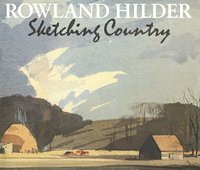
Sketching Country
Rowland Hilder · 1998
Roland Hilder is Britain's best-known living landscape painter, and in this book, we see that his sketches are even more remarkable and appealing than his finished works.
-
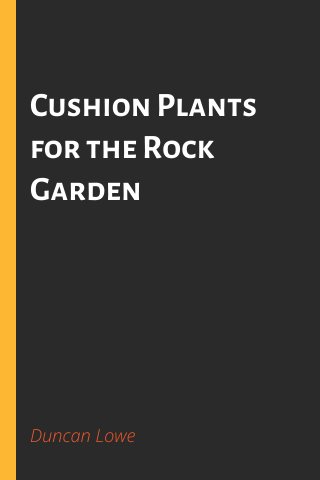
Cushion Plants for the Rock Garden
Duncan Lowe · 1995
Cushion plants play a charming and essential part in every well-planned rock garden. They all form, more or less, a mound of closely packed foliage, and offer great beauty and a diversity of size, leaf, and flower. Cushion Plants for the Rock Garden details the major groups - including both easy-to-grow varieties and those exquisite rarities that are more demanding - for their cultivation, propagation, pests, and diseases. All details are provided for successful cultivation in pots, troughs, plunge beds, and various other appropriate sites, plus information on pests and diseases. In all, 87 plants are described fully so that every reader will know which he or she wants to try first.Published at $29.95 Our last copies available at $14.98
-
Growing African Violets: And Some Other Favourite House Plants
Ruth Coulson · 1993
This popular series for gardeners covers both popular and exotic plant groups. Each title is written by an expert gardener, breeder, or horticulturist having intimate familiarity with the species covered. Crisp photographs, charts, and indexes permit the reader to gain a total awareness of each plant's needs.
-
Echeveria Cultivars
Lorraine Schulz, Attila Kapitany · 2005
This long awaited book is aimed at collectors and gardeners alike and is currently recognized as the world's best book on echeverias. Covering an outstanding selection, with hundreds of large photographs showing plants under different growing conditions. Enjoy the photos, identify some of your unknowns and lust for some of the new hybrids soon to be available. Almost every aspect of growing and caring for these much loved plants are included.
-
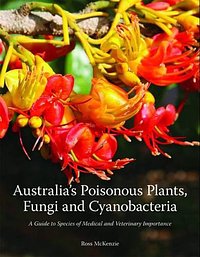
Australia's Poisonous Plants, Fungi and Cyanobacteria
Ross McKenzie · 2012
This book is the first full-colour, comprehensive guide to the major natural threats to health in Australia affecting domestic and native animals and humans. The overriding aim of the book is to prevent poisoning, as there are few effective treatments available, particularly in domestic animals.
-
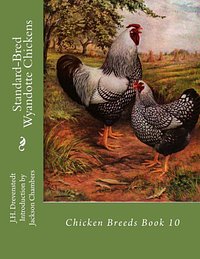
Standard-Bred Wyandotte Chickens: Chicken Breeds Book 10: Volume 10
J. H. Drevenstedt · 2015
This special re-print edition of J.H. Drevenstedt's book "Standard Bred Wyandottes: Silver, Golden, White, Buff, Partridge, Black, Silver Penciled and Columbian. Their practical qualities; The Standard Requirements; How To Judge Them; How to Mate and Breed Them For the best Results, with a chapter on Non-Standard Varieties", contains all the information a person needs to master the basics of raising the legendary Wyandotte chicken. It contains a considerable amount of hard-to-find information on Wyandottes.Written at the turn of the century, Mr. Drevenstedt shed much light on the history of the Wyandotte Chicken, as well as how to breed and select them.Note: This edition is a perfect facsimile of the original edition and is not set in a modern typeface. As a result, some type characters and images might suffer from slight imperfections or minor shadows in the page background.
-
Living in the Landscape
Anna Johnson, Richard Black · 2017
As urban life becomes increasingly more demanding, many people are choosing to build away from the city in a way that acknowledges and connects with the landscape. Living in the Landscape explores new and exciting relationships between landscape and design. It examines how architects increasingly use various nuanced landscape conditions as inspirationand sites for creativity. The complexities of the Australian landscape with its beautiful but often harsh geographical and topological physicality, questions of sustainability and climate change, and an understanding of the Indigenous relationship to landscape are all thoughtfully considered. From the archetypal silhouette of the rural farm shed to Glenn Murcutt-inspired buildings designed with the philosophy of touching the earth lightly, the authors explore how landscape and architecture intersect. In an age where we are increasingly aware of our relationship with the environment, these breathtaking homes exemplify the possibilities of living with the land.
-
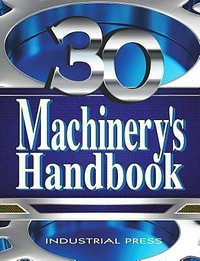
Machinery's Handbook
Jones Oberg · 2016
Note: This edition is called "Large Print" as it is an enlarged (7" X 10") version of the original, smaller (4.6" x 7") Toolbox sized edition of this title. The text in this edition is the size of standard reference materials and is not enlarged print for individuals with partial sight. For more than 100 years, Machinery's Handbook has been the most popular reference work in metalworking, design, engineering and manufacturing facilities, and technical schools and colleges throughout the world. It is universally acknowledged as an extraordinarily authoritative, comprehensive, and practical tool, providing its users with the most fundamental and essential aspects of sophisticated manufacturing practice. The 30th edition of the "Bible of the Metalworking Industries" contains major revisions of existing content, as well as new material on a variety of topics. It is the essential reference for mechanical, manufacturing, and industrial engineers, designers, draftsmen, toolmakers, machinists, engineering and technology students, and the serious home hobbyist. New to the 30th Edition: Expanded metrology section, including v-blocks and micrometer, vernier, and dial calipers. New fluid power section covering pneumatic,hydraulic, and vacuum theory and applications. New powder metallurgy section, including additive manufacturing. Even more useful specs, including tap drill sizes for Unified threads, reaming allowances for drilling, mesh and grit sizes, rules for figuring tapers, and assembly with pins and studs. Recently added information on sheet metal and presses, keys and keyways, shaft alignment, taps and tapping, helical coil screw thread inserts, metric screw threads, miniature screws, fluid mechanics, solid geometry, statistics, calculating hole coordinates and thread dimensions, and distinguishing between bolts and screws. Plus . . . Many thoroughly reworked and renovated sections throughout. Comprehensive tables of contents at the beginning of each section and extensive indexing. Hundreds of new and thousands of refined and redone illustrations and equations. Updated standards. Expanded metric content.